|
Hey LA!
What’s good?
The LA Local’s neighborhood newsletters are here! Starting this week, readers in Inglewood, South LA, Koreatown, Pico Union and Westlake will start receiving stories from their own communities straight to their inboxes.
For more than 15 years, Boyle Heights Beat has been rooted in the Eastside, telling stories with care, depth and heart. Now, we’re bringing that community-driven approach to Inglewood, South LA, Koreatown, Pico Union and Westlake.
We’ll focus on the people, issues and ideas that shape these neighborhoods — all powered by the same belief that local news should build community and connection.
This is just the beginning.
📬 Sign up for your neighborhood newsletter at thelalocal.org.
|
🕵️♂️ LAPD’s Crime Data Blackout |
|
For more than a year, the Los Angeles Police Department has not released updated crime data, leaving the public and policymakers in the dark. LAist recently reported that the department is refusing to release raw crime data.
Gabriel Kahn runs Crosstown LA, which turns city data into neighborhood-level insights. He says the lack of current data makes it nearly impossible to track how safety is changing across the city. He has been waiting for more than a year to access the updated records and says the delay is tied to the department's transition to a new records management system. This means they can’t share the data right now, not just that they won’t.
In our Q&A, Gabriel breaks down what this means for your neighborhood.
Q: What kinds of decisions depend on this data?
A: In a city of nearly 4 million people spanning just over 500 square miles, aggregate crime data tells a story that has the subtlety of a sawed-off shotgun. It’s one story for everyone. That doesn’t reflect people’s lived experience. When LA experienced a dizzying rise in homicides during the pandemic, the carnage was confined to a few areas in the city. This important distinction is now wiped clean in the crime data.
In short, this means the neighborhood councils trying to understand public safety issues have no way to learn if burglaries and car thefts are on the rise or have receded. There are now increasing dangers that come with the loss of traffic collision data. Since earlier this year, there has been no way to track this information or to understand where injury-causing collisions occur, where hit-and-runs are more common, etc.
Q: For someone living in LA, what’s the real impact of not having updated crime data?
A: In Los Angeles, where you live determines your experience of the city. My interface in LA with Fairfax is much different than for someone who lives in Hyde Park or East Hollywood. The crime, arrest and collision data allowed us to see how starkly different these realities were.
These are material considerations for parents who must choose where to live or where to send their kids to school. In addition, localizing crime data allows us to ground our sense of safety in facts.
In broad strokes, LA is much safer than it was a decade ago, 20 years ago. The data bore that out, particularly when we could deliver neighborhood-level data on burglaries, assaults and robberies. In the absence of facts, we are living in a reality told through shared Ring doorbell footage and gruesome anecdotes posted on Nextdoor. This does not improve one’s sense of safety.
Some more news from our neighborhoods:
|
What Happened at Cypress Park? When a Toddler is Caught in a Raid |
|
By Boyle Heights Beat |
 |
|
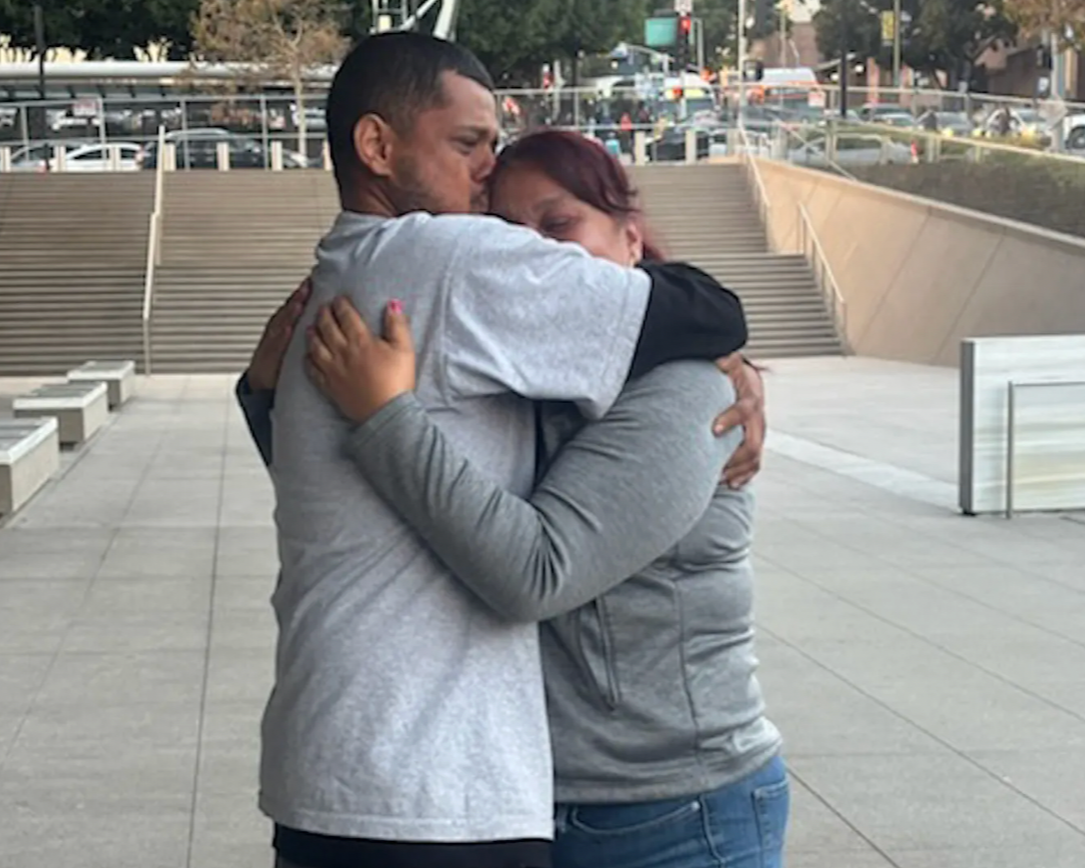
Dennis Quiñonez, a 32-year-old U.S. citizen, is seen embracing his mother shortly after his release on Thursday, Nov. 6, 2025. (Photo courtesy of The Immigrant Defenders Law Center)
|
|
Raids like the one in Cypress Park can make a lot of noise, but it’s much harder to hear from the families caught in the middle. Last week, one household of U.S. citizens faced a federal enforcement operation that left a toddler showing signs of distress after being temporarily separated from her father.
Boyle Heights Beat shines a light on the aftermath that most don’t see, sharing the stories of those directly affected as immigration pressures continue across the city. |
The Detour: Where LA punk history and sushi collide 🎸🍣 |
|
By L.A. TACO
|
|
In the world of LA punk, it’s common to pay the bills with a kitchen job. For most, the two passions exist side by side but never touch. By day, they cook in the heat of LA’s kitchens; by night, they burn it down in the city’s thriving underground punk scene.
L.A. TACO’s Editor in Chief Javier Cabral, self-proclaimed professional punk and former Jonathan Gold restaurant scout, finds his own worlds colliding as he writes about a new punk rock sushi spot and wonders: How did LA not have a restaurant like FUNHOUSE before?
Have a hidden gem in LA or an event in your neighborhood we should know about? Hit reply, and let us know
|
Step up: Join the Pedestrian Advisory Committee |
|
|
|
Think nobody walks in LA? Tell that to the LA Department of Transportation’s Pedestrian Advisory Committee — one of two citizen boards advising on projects and policies for people on foot.
These meetings let Angelenos help shape the sidewalks, signals and street life of their neighborhoods.
Get on the committee
Seats are open for council districts 1, 3, 6, 9 and 14. All you need is to live, work or have a stake in your district — no special expertise required. Your council member can appoint you by sending a letter to LADOT’s general manager.
|
|
|
|
|
 |
|
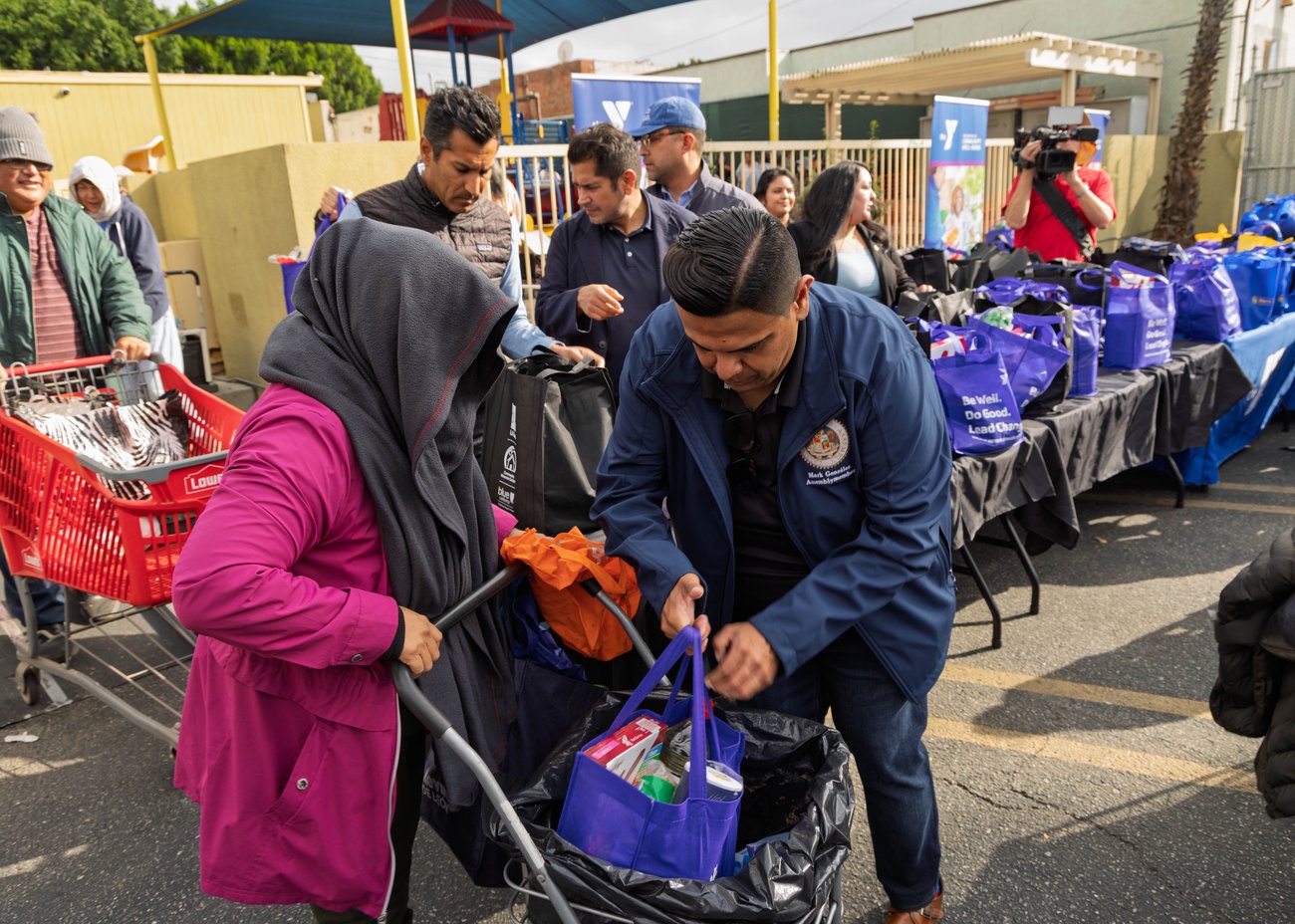
Photo courtesy of the Assembly Democratic Office of Communications & Outreach |
|
|
|
 |
|
Photo by Andrew Lopez for Boyle Heights Beat |
|
|
|
|
|
|
The Kicker: Of LA County's more than 220,000 current veterans, some served without U.S. citizenship.
There are more than 100,000 noncitizen veterans in the U.S. today. |
|
|
|
Raisa Zaidi
Managing Editor, Central Support & Partnerships
The LA Local |
|
|
|
📣 Your Voice Matters
So many stories from the city's streets and neighborhoods go untold. What do you feel is missing from the conversation?
Hit reply and let us know — your input will make the newsletter more useful. |
|
|
|
|
We’re not here to drop in and cover communities — we’re here to build with them, to celebrate what's working, and to hold power accountable when it's not. This kind of journalism takes resources, patience, and partnership. It's why we're nonprofit, why neighborhood newsrooms are our foundation. Consider making a donation to power our newsroom. |
| Support our work |
|
|
|
|